
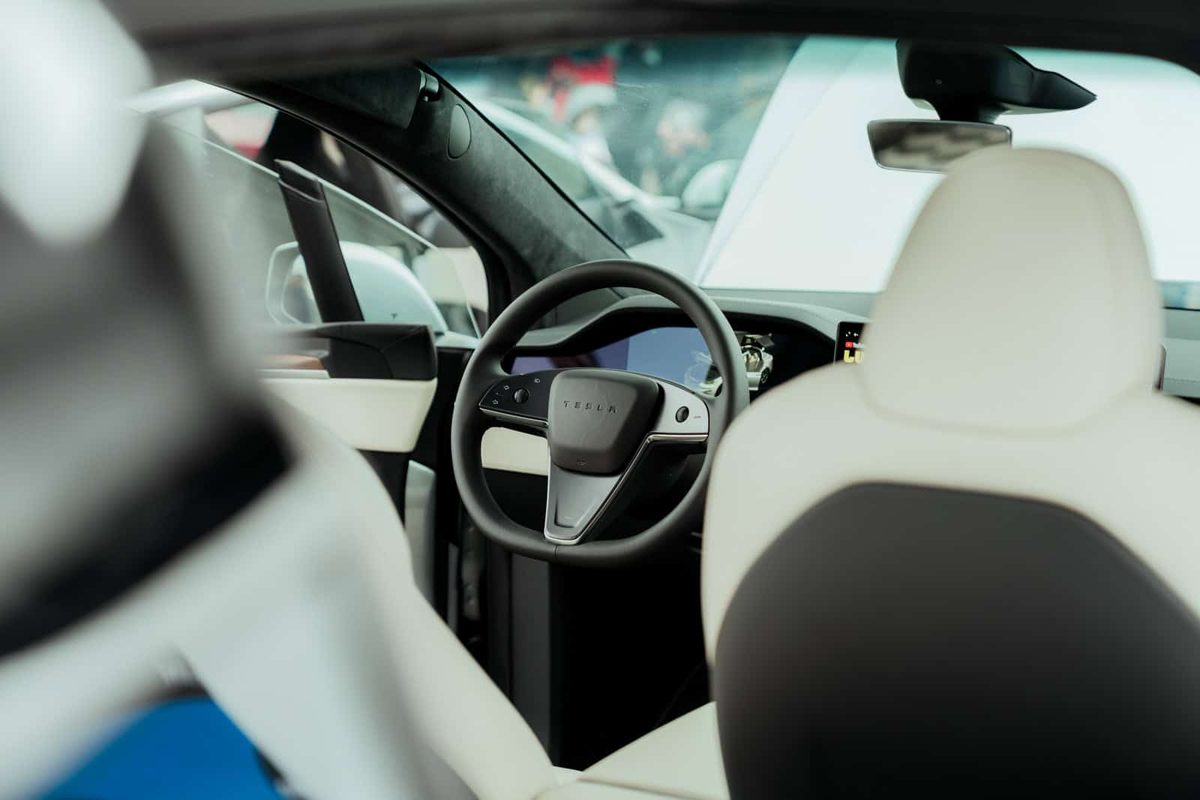
Tesla owner David Moss completed the first USA coast-to-coast drive using FSD V14.2, covering 2,732 miles from Los Angeles to Myrtle Beach, South Carolina, with zero disengagements of any kind.
On December 31, 2025, David Moss posted from Myrtle Beach that he had just driven coast to coast across the United States in a Tesla Model 3, and his hands had not touched the wheel once. No highway takeovers or parking lot interventions. Not even at Supercharger stops. Tesla FSD V14.2 handled all of it across 2,732.4 miles in 2 days and 20 hours.
The trip started at the Tesla Diner in Los Angeles and ended at Myrtle Beach, SC. Moss documented every leg of the drive in real time, and by the time he posted his final update, the post had pulled 16.8 million views. The achievement was widely recognized as the first fully intervention-free coast-to-coast drive ever completed in the United States using a consumer vehicle.
Three months later, Tesla turned the story into an official video. On March 26, 2026, Sawyer Merritt shared Tesla's release: "Moss's Model 3 handled every road sign, turn and Supercharger stop, traveling over 2,700 miles in 2 days and 20 hours. Part of his over 12,000-mile streak of FSD (Supervised) usage." That post reached 12.3 million views in days. The story of one driver and one long road had found a second audience.

What the 2,732 Miles Actually Covered
The coast-to-coast drive was not a straight highway run. Moss drove through multiple states, handling city intersections, rural two-lane roads, construction zones, and the full sequence of Supercharger stops that a trip of that length requires. FSD V14.2 managed each Supercharger approach and parking maneuver without a single human input. That detail matters because parking has historically been one of the harder scenarios for autonomous systems to handle cleanly.
FSD V14.2 runs on Tesla's pure-vision architecture, meaning it reads the road entirely through cameras rather than radar or lidar. The system processes camera input through a neural network trained on billions of real-world driving miles. On Moss's drive, that system handled over 2,700 continuous miles without the driver needing to correct it once.
WPDE ABC15 also covered the story from a local angle, with their news report highlighting how the drive ended in Myrtle Beach. It was the kind of mainstream news pickup that signals a technology story has crossed into broader public awareness.

The 12,000-Mile Streak Behind One Trip
The coast-to-coast drive did not happen in isolation. As Tesla's official video release noted via Sawyer Merritt, the 2,700-mile trip was part of a streak exceeding 12,000 consecutive miles without a single FSD disengagement. Moss had been building that streak across everyday driving before the coast-to-coast attempt.
That context changes how the numbers read. A single long trip with zero disengagements is one kind of data point. A 12,000-mile streak that includes regular daily driving, then a coast-to-coast run, then continued driving afterward, is a different kind of evidence entirely. It suggests the system is performing consistently across routine conditions, not just during a one-off event.
Tesla chose to spotlight this story with an official video rather than a press release, which is worth noting. The company has increasingly used owner-documented real-world results as its primary proof of FSD capability. Moss's drive became part of that record.
What Demo Days Visitors Should Pay Attention To
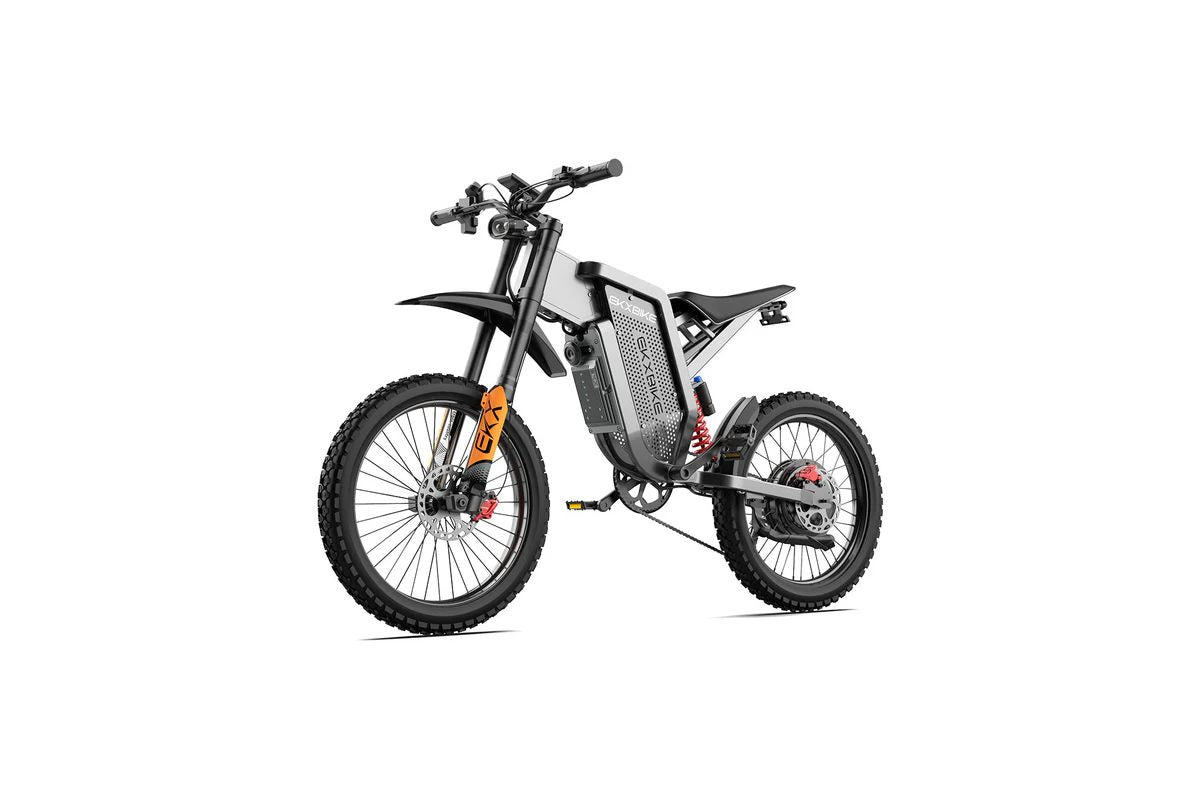
The Demo Days audience drives everything from trucks, UTVs, motorcycles, e-bikes, and everything in between. Most of those categories do not have FSD. But the technology proving itself in a Model 3 across 12,000-plus miles is the same foundational AI and camera architecture that will move into other vehicle categories over the next several years.
Driver assistance systems are already appearing on motorcycles through Honda and BMW. Off-road vehicles from Polaris and Can-Am now offer GPS-guided systems and terrain-reading suspension. The gap between "Tesla does this" and "my UTV does something like this" is closing, and closing faster than most buyers realize.
The Moss story is also a useful reference point for how to evaluate capability claims. Zero disengagements across 12,000 miles on public roads is a verifiable, documented standard. As more brands bring driver assistance to powersports, that bar is a reasonable one to ask about.

Frequently Asked Questions
What is Tesla FSD V14.2? Tesla Full Self-Driving Version 14.2 is the software release David Moss used for his coast-to-coast drive. It operates in supervised mode, meaning the driver must remain attentive and ready to take control. The system handles steering, braking, and acceleration using eight external cameras and a neural network. It does not use radar or lidar.
What counts as a disengagement? A disengagement occurs any time the driver takes over control from the automated system, whether because the system requested it or because the driver chose to intervene. Moss completed 2,732.4 miles with zero instances of either. That includes Supercharger parking maneuvers, which the system also handled without input.
What is the 12,000-mile streak? The 2,700-mile coast-to-coast drive was one segment of a longer consecutive streak. Tesla's official coverage confirmed the streak exceeded 12,000 miles of FSD (Supervised) usage without any disengagement, built across everyday driving before and after the cross-country trip.
Did Moss drive the whole route in one go? The trip took 2 days and 20 hours from the Tesla Diner in Los Angeles to Myrtle Beach, SC. Moss documented the journey in real-time updates on his X account, including overnight stops where the car was parked and restarted the next day.
Does this mean Tesla FSD is fully autonomous? No. FSD in its current form requires the driver to remain in the seat, attentive, and ready to intervene. Full autonomy on public roads without a human present requires regulatory approval that has not yet been granted for consumer vehicles. What the Moss drive demonstrates is consistent supervised performance across an extended real-world distance.
Images | Sources: Demo Days Festival | David Moss, Sawyer Merritt

Leave a comment
This site is protected by hCaptcha and the hCaptcha Privacy Policy and Terms of Service apply.