
Most people order food or a package and give zero thought to how it actually arrives at their door. A human on a gas-powered scooter, a diesel van double-parked on the curb, or some combination of both. That system has worked for years. But it was never built for cities, it was never built for scale, and it was definitely never built with emissions targets in mind.
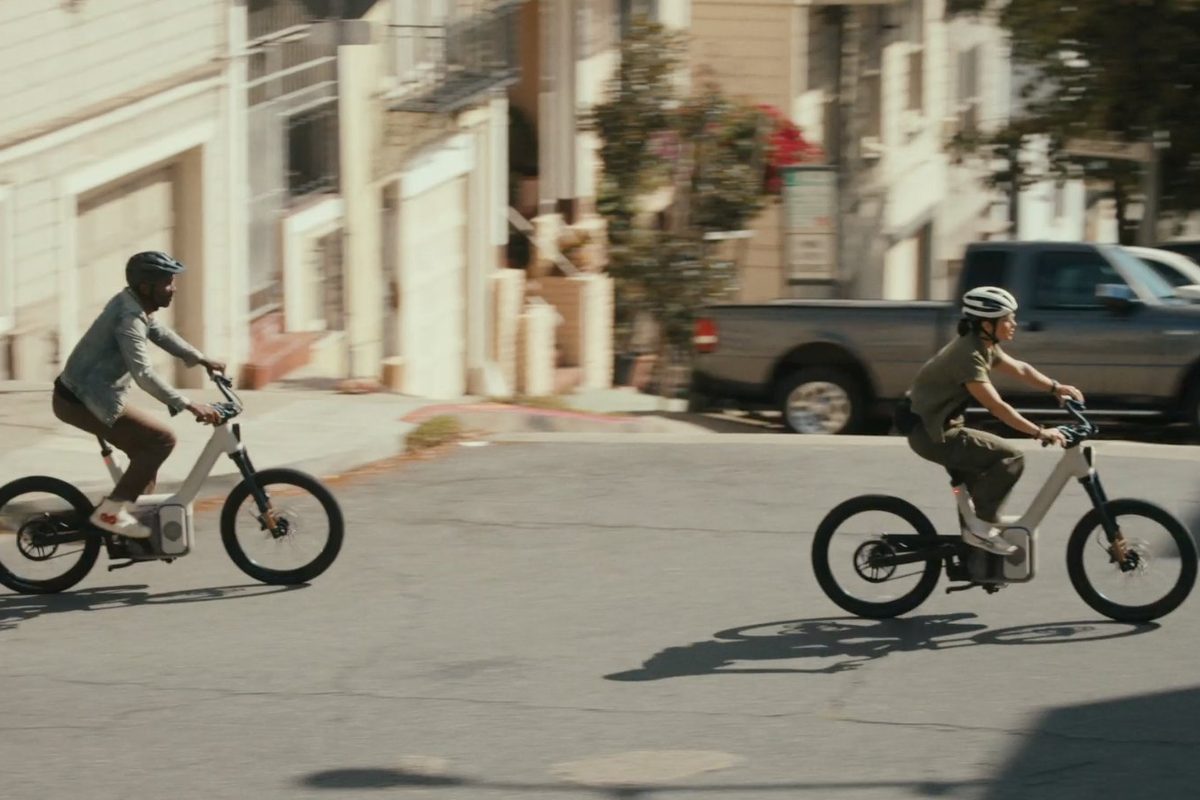
ALSO noticed. And now, with $200 million in fresh funding and a partnership with DoorDash officially locked in, the startup is making a very direct argument: electric micro-mobility wins the last mile.
Who Is ALSO, and Why Does This Matter Right Now?
ALSO builds electric cargo bikes and last-mile delivery infrastructure for dense urban environments. The pitch is straightforward: a cargo e-bike can get through traffic faster than a van, costs a fraction to operate, produces zero tailpipe emissions, and fits in a bike lane. For short urban deliveries (which make up the overwhelming majority of e-commerce and food orders), the electric bike often beats the truck on every metric that counts.
The company has been quietly building out its network across North American cities, working with logistics operators and retail brands. The $200M round changes the pace. This is no longer a proof-of-concept. This is a full-scale buildout.

The DoorDash Partnership: Why It's a Real Signal
DoorDash is not a small pilot partner. The company handles millions of deliveries every day across hundreds of markets. When they pick a logistics technology to integrate at scale, the ripple effect is immediate.
The partnership means ALSO's electric cargo fleet will start fulfilling DoorDash orders in select cities, with expansion tied to the new funding. For ALSO, it's the kind of volume and brand credibility that accelerates everything. For DoorDash, it's a direct path toward their public commitments on fleet electrification.
What makes this particularly interesting for the EV and micro-mobility crowd: this is the largest single integration of electric cargo bikes into a mainstream delivery platform to date. It is not a green marketing campaign. It is an operational contract.

Why Last-Mile Has Always Been the Hard Part
The logistics industry has a well-documented problem. Warehouses and long-haul trucking have gotten more efficient. Last-mile delivery (that final leg from distribution center to your front door) has not kept up. It accounts for roughly 53% of total shipping costs and a disproportionate share of urban congestion and emissions.
Electric vans have been the go-to answer, and they help. But they still deal with parking, range anxiety in stop-and-go traffic, charging infrastructure gaps, and a price tag that most smaller operators cannot absorb.
Electric cargo bikes and lightweight EVs offer a different geometry. Lower cost per delivery, faster average speed in dense urban corridors, zero direct emissions, and an operational footprint that works with city infrastructure rather than against it. ALSO is not replacing all delivery vehicles. They are replacing the ones being used inefficiently in the conditions where a cargo bike simply performs better.

What $200M Actually Buys
Funding rounds are announced constantly. This one deserves a closer look because of how the capital will likely be deployed.
ALSO is not just buying more bikes. The buildout includes charging micro-hubs positioned throughout city cores, proprietary fleet management software, and training infrastructure for delivery operators. The idea is to give logistics partners a complete operating system, not just a vehicle.
For investors, the bet is on network density. The more micro-hubs and bikes concentrated in a city, the faster and more reliable the service gets. That compounds. A denser network wins more contracts, which funds more density.
For anyone watching the EV space, this is a version of the charging infrastructure playbook applied to cargo. Own the network, and the vehicles become a downstream benefit.
The Demo Days Connection
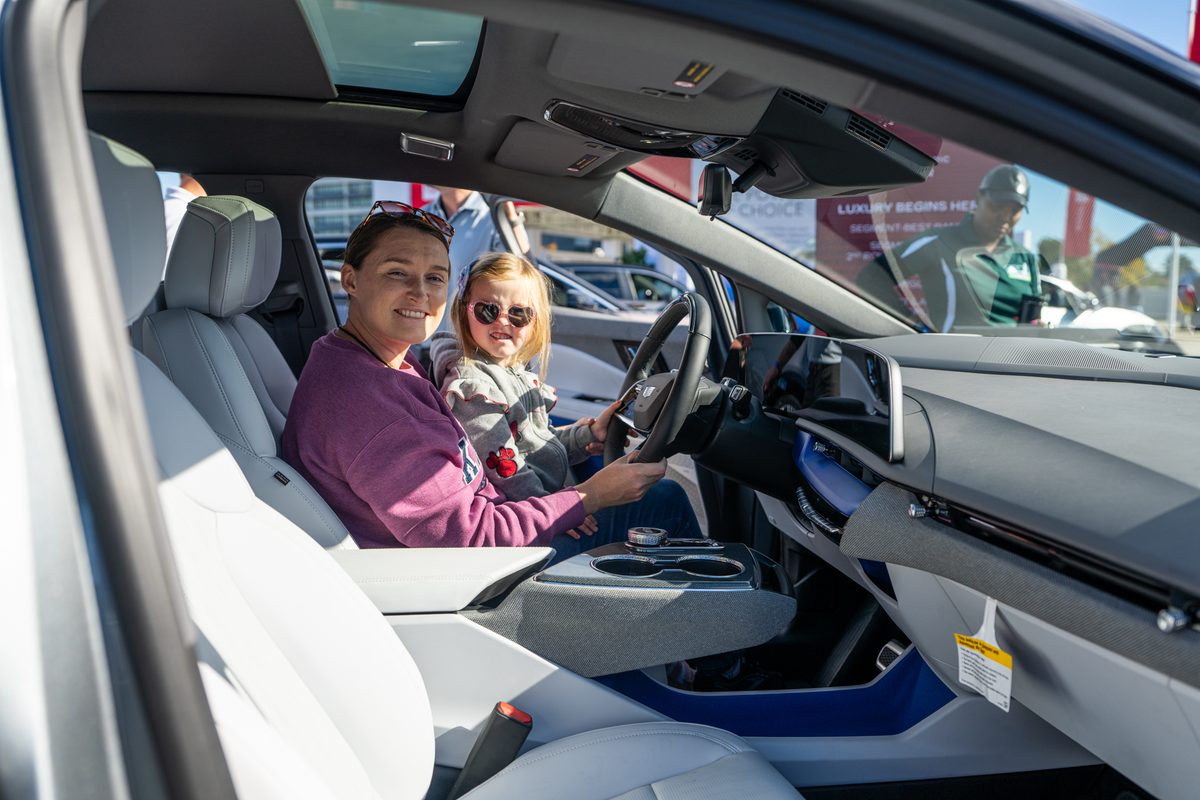
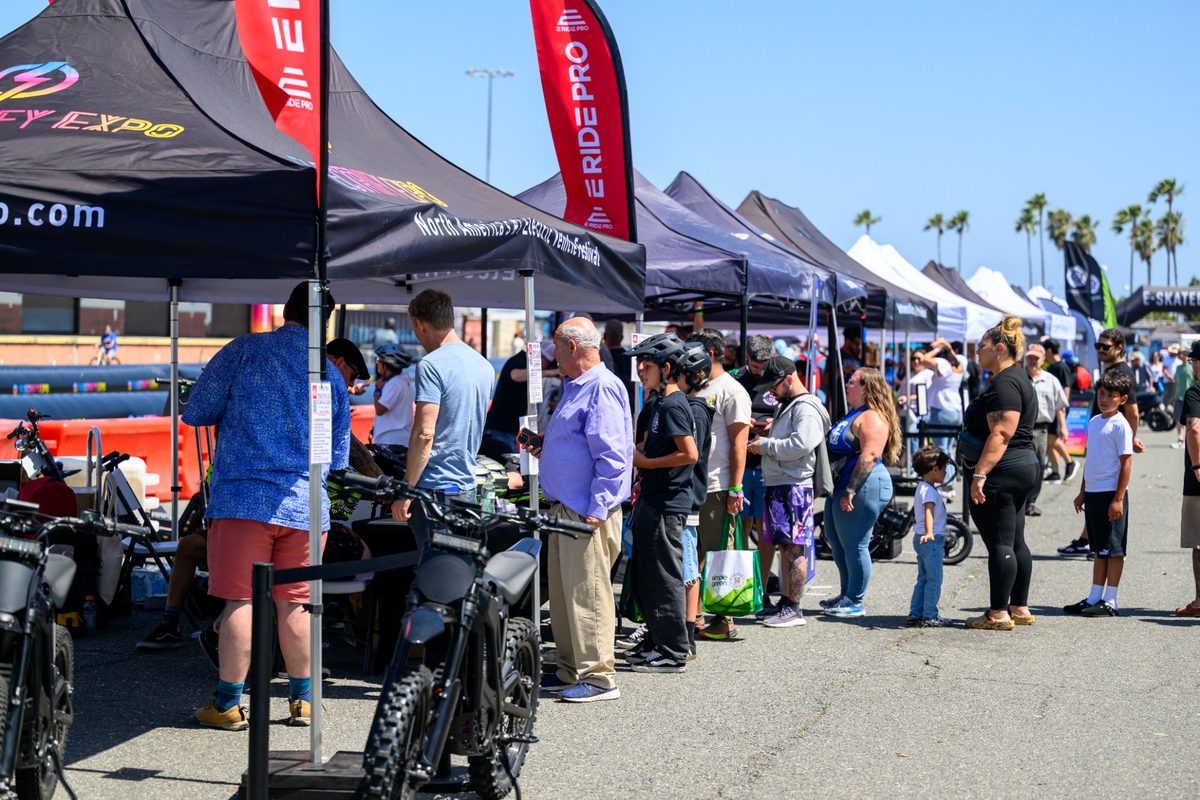
At Demo Days Festival, we spend a lot of time in the consumer EV lane. Motorcycles, e-bikes, off-road EVs, kids' vehicles. The entertainment side of electric.
But the ALSO/DoorDash news matters to this community for a specific reason: every major EV ecosystem runs on credibility and infrastructure. Consumer EV adoption accelerates when people see electric vehicles normalized in their daily environment. Cargo e-bikes doing DoorDash deliveries in their neighborhood is exactly that kind of normalization.
It also matters to the startup and founder community at Demo Days. ALSO's $200M round is a case study in how to build toward a strategic partner deal. The DoorDash relationship was not a cold pitch. It was built through demonstrated operational performance in shared markets. That is the playbook a lot of mobility startups are trying to replicate.

What to Watch Next
A few things will tell us whether this works at scale.
First, which cities get prioritized in the initial DoorDash rollout. Dense coastal markets are the obvious starting point, but the real test of the model will be whether it holds in mid-tier cities with less established bike infrastructure.
Second, whether ALSO opens its platform to third-party operators or keeps the fleet proprietary. The open platform approach scales faster but requires more operational standardization. The proprietary route gives them more control but limits ceiling.
Third, and most directly relevant for anyone in the EV industry: whether other major delivery platforms (Amazon, Instacart, Uber Eats) respond with competitive electric cargo programs, or whether they wait and watch DoorDash run the experiment.

The Bottom Line
Electric cargo bikes doing city deliveries has been a real thing for years in Europe. In North America, it has been slower. Not because the technology is not there (it is), but because the integration with existing delivery platforms was missing.
ALSO just fixed the integration problem, with $200M to back it up and DoorDash as the anchor tenant.
The last mile is getting electrified. And it is happening faster than most people expected.
Want to see electric cargo bikes and micro-mobility vehicles up close? ALSO and other last-mile EV brands are featured at Demo Days.
Images: ALSO.

Leave a comment
This site is protected by hCaptcha and the hCaptcha Privacy Policy and Terms of Service apply.