
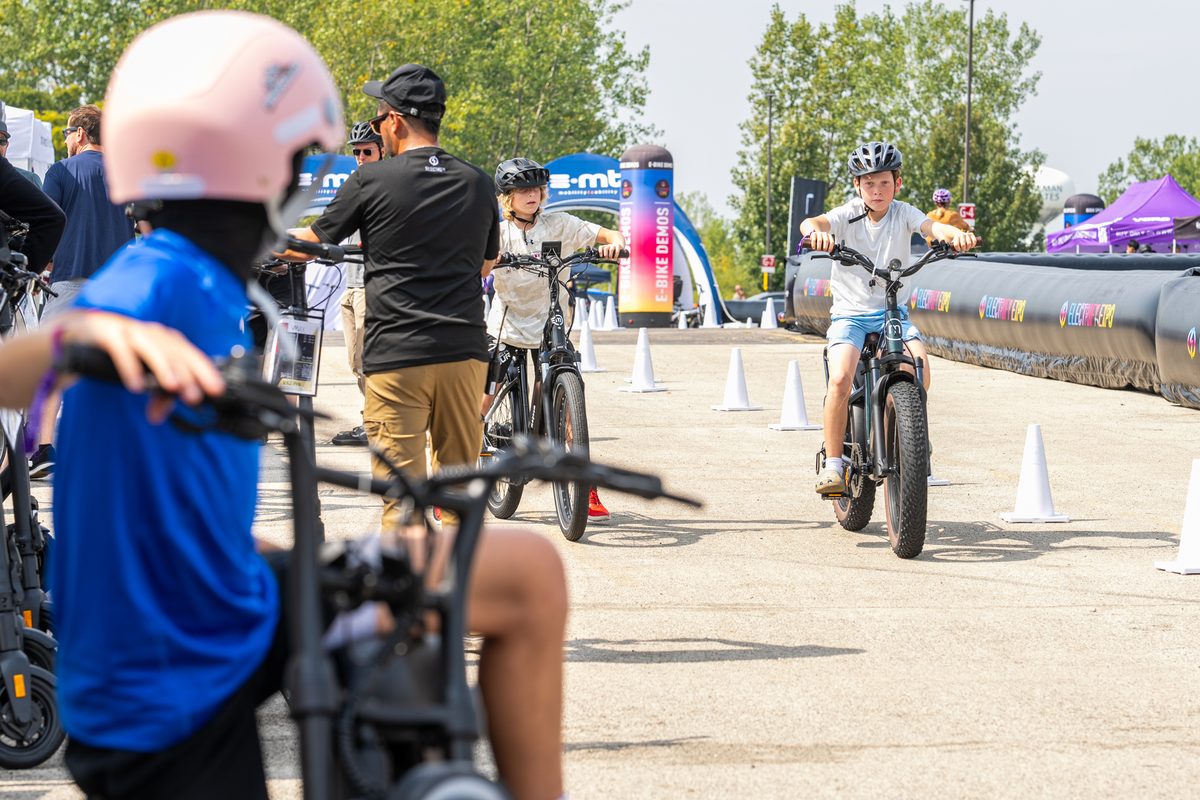
The U.S. government has officially removed bicycles and e-bikes from the Section 232 steel and aluminum tariffs, delivering real cost relief to an industry that fought hard for this outcome.
The exemption means manufacturers, importers, and ultimately consumers won't absorb steel and aluminum tariff costs on bikes and e-bikes moving through the U.S. supply chain.
The bicycle and e-bike industry scored a concrete policy win this week after the U.S. government confirmed that bikes and electric bicycles are exempt from the Section 232 national security tariffs on steel and aluminum. The decision came after a sustained push from the People for Bikes coalition and a broad group of domestic manufacturers, retailers, and advocacy organizations who argued that the tariffs were hitting American businesses without any corresponding national security benefit.
Section 232 tariffs were originally designed to protect domestic steel and aluminum production by taxing imported materials. The problem for the bike industry is that most bicycle frames, components, and e-bike motors use significant amounts of both metals, and those costs were flowing directly into the price consumers pay at the shop. For smaller brands and independent retailers already working on thin margins, the tariff exposure was a serious operational pressure.
The exemption covers both traditional bicycles and electric bicycles, which puts e-bikes on the same footing as other consumer products that successfully argued their way out of the tariff structure. According to People for Bikes, the trade association that led much of the lobbying effort, the decision reflects the reality that the bike industry is not a national security concern and that domestic manufacturers depend on globally sourced materials to build products sold in the American market.

What the Exemption Actually Covers
The Section 232 tariff structure applies to steel and aluminum imports as raw materials. When bike manufacturers import frames, parts, or finished products that contain those metals, the tariff cost has historically been baked into the landed cost. With the exemption now in place, that calculation changes.
The relief applies across the category, meaning entry-level commuter bikes, performance road bikes, cargo bikes, and e-bikes with aluminum frames or steel hardware all qualify. That breadth matters because the e-bike segment in particular had been absorbing compounding cost pressures from both Section 232 tariffs and separate Section 301 tariffs on Chinese-manufactured goods. Removing one of those layers gives brands more room to work with on pricing and margin.
According to reporting by Bicycle Retailer and Industry News, the exemption was confirmed by the U.S. Department of Commerce following formal industry petitions. The process required the industry to document how tariffs were affecting domestic businesses, which People for Bikes coordinated across dozens of member companies ranging from large distributors to small specialty manufacturers.

Why This Took Years and What Changed
Section 232 tariffs have been in place since 2018, which means the bike industry has been carrying this cost for roughly seven years. The original tariff orders were broad and the exemption process was slow, requiring companies to file individual product exclusion requests that often expired or got denied. The industry eventually shifted strategy toward a categorical exemption for bikes as a product class, which is what the current decision represents.
The timing also aligns with a period of significant growth in e-bike sales across North America. The Light Electric Vehicle Association (LEVA) has tracked consistent year-over-year sales growth in the e-bike category, with the U.S. market now representing one of the largest e-bike markets outside of Europe and Asia. That commercial scale likely helped the industry's argument that bikes are a consumer mobility product, not a strategic material. When a category is moving millions of units annually and supporting domestic retail jobs, policymakers take the economic argument more seriously.
The exemption does not resolve all trade pressures on the bike industry. Section 301 tariffs on Chinese imports remain in place, and those have a separate and ongoing exemption review process. But removing Section 232 costs is a meaningful step that industry participants say will help stabilize pricing and reduce the need for brands to constantly pass cost increases downstream to dealers and consumers.

What This Means for Demo Days Festival Attendees
If you have been on the fence about buying an e-bike, the removal of one layer of tariff cost from the supply chain is genuinely good news. It does not mean prices drop overnight, but it does reduce the structural pressure on manufacturers to keep raising prices, and it gives retailers some margin flexibility they have not had for years.
For Demo Days Festival, this story lands right in the middle of what we track. E-bikes are one of the fastest-growing categories at the event, and attendees consistently tell us that hands-on ride time is what finally convinces them to buy. The brands showing up at Demo Days are working hard to make their products accessible, and anything that takes cost pressure off the supply chain helps that effort.
The e-bike category at Demo Days spans everything from casual urban cruisers and cargo bikes to performance off-road models with full suspension and mid-drive motors. If you have been curious about what the technology actually feels like on real terrain, that is exactly what the event is built for. Getting on the bike is still the most effective way to decide whether it fits your life.

Frequently Asked Questions
What are Section 232 tariffs and why did they affect e-bikes? Section 232 tariffs are national security-based import taxes on steel and aluminum that the U.S. government put in place in 2018. Because bicycles and e-bikes use both metals in frames, components, and hardware, manufacturers and importers were paying those tariff costs on materials, which raised production costs and affected retail pricing.
Does the exemption mean e-bike prices will drop immediately? Not necessarily right away. Supply chains and pricing structures take time to adjust, and brands have contracts and inventory at existing cost levels. Over time, the exemption removes cost pressure that would otherwise continue building into future pricing. Some brands may choose to reinvest the savings into product development or pass them on to consumers gradually.
Does this exemption cover Section 301 tariffs on Chinese goods too? No. The current exemption applies specifically to Section 232 steel and aluminum tariffs. Section 301 tariffs on Chinese-manufactured products, which affect a significant portion of e-bike components and finished bikes, remain in place and have a separate ongoing review process.
Who led the push for this exemption? People for Bikes coordinated the primary industry effort, working with member companies across the supply chain including manufacturers, importers, and independent retailers. The Light Electric Vehicle Association also supported the case for e-bike inclusion.
Where can I try e-bikes before buying? Demo Days Festival is one of the largest hands-on vehicle testing events in North America and includes an extensive e-bike category where attendees ride multiple models on real terrain. Check demodays.com for event dates and participating brands.
Sources | Images: People for Bikes, Bicycle Retailer and Industry News, Light Electric Vehicle Association (LEVA), U.S. Department of Commerce, Office of the U.S. Trade Representative | Demo Days Festival

Leave a comment
This site is protected by hCaptcha and the hCaptcha Privacy Policy and Terms of Service apply.