
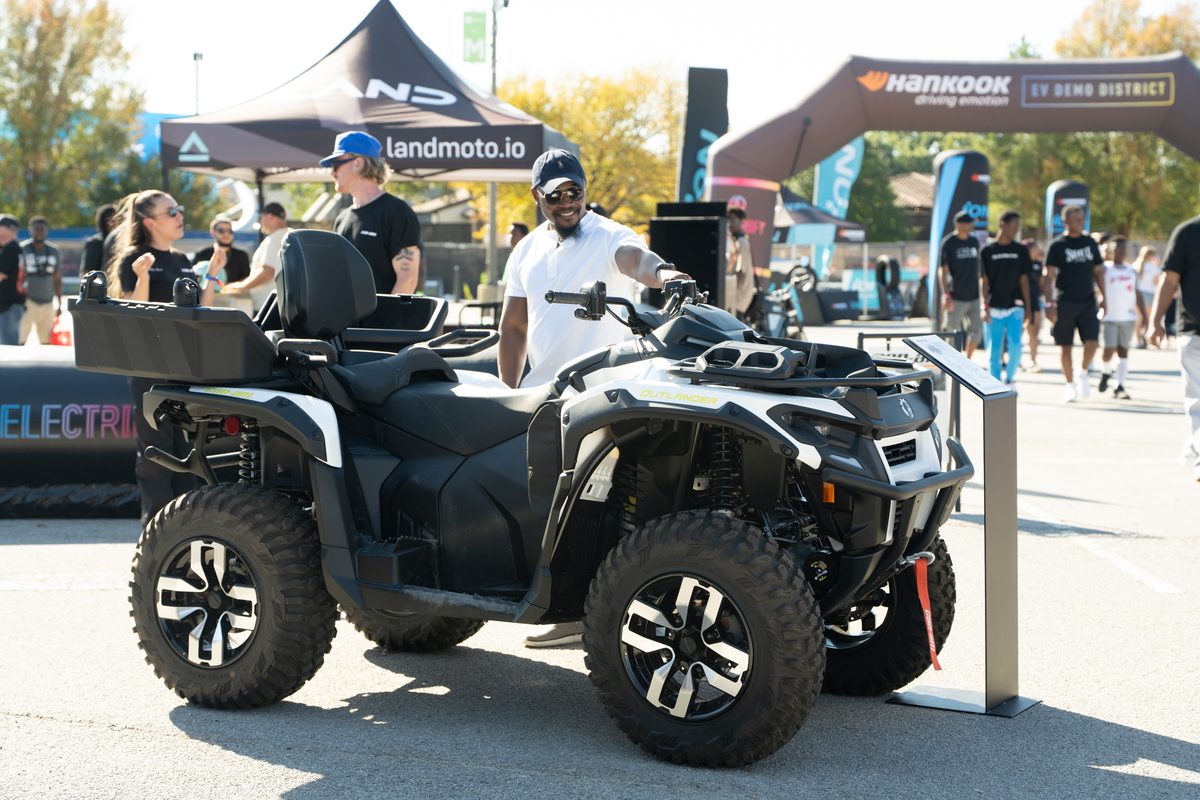
Used ATV prices rose 0.3% in Q4 2025, pointing to steadier ground after a rough stretch of depreciation headwinds through much of 2024.
Black Book's Q1 2026 powersports update shows dealer confidence returning as used ATV pricing guides trend upward for the first time in several quarters.

The powersports market spent much of 2024 working through a hangover from pandemic-era buying. Consumers had loaded up on ATVs, UTVs, and off-road equipment during the supply-constrained years of 2021 and 2022, paying above-market prices for anything they could find. When inventory finally caught up with demand in 2023, values softened. By 2024, dealers were sitting on more used inventory than the market could absorb quickly, and wholesale prices slid in response. That cycle now appears to be turning a corner.
According to Black Book's Q1 2026 Motorcycle and Powersports Market Update, ATV values ticked up 0.3% in Q4 2025. That number sounds modest, and it is. But context matters here. A value increase, however small, following multiple quarters of depreciation signals that supply and demand are moving back into balance. Dealers use pricing guides like Black Book to set trade-in offers, purchase used inventory at auction, and price their lots. When those guides start moving up, it means dealers are willing to pay more, which means they believe buyers are coming back.
The shift also reflects real-world behavior on dealer lots. Floor traffic for off-road vehicles picked up through late 2025, particularly in markets with strong outdoor recreation cultures. Consumers who had been waiting out the price softness began re-entering the market. That buyer interest, combined with leaner used inventory levels compared to a year ago, is the combination that pushes values in a positive direction.

What the Numbers Actually Mean for Buyers and Sellers
A 0.3% uptick in wholesale ATV values doesn't mean prices are about to spike. What it does mean is that the downward pressure that made 2024 a rough year for anyone trying to trade in or sell an ATV has eased. For consumers, that is a meaningful shift.
If you bought an ATV in 2021 or 2022 at an inflated price, you likely watched the value drop faster than normal over the past two years. That gap between what you paid and what your machine was worth at trade-in had been widening. A stabilizing market means that gap stops growing. Future depreciation returns to something closer to historical norms, where a well-maintained ATV holds its value reasonably well over a five-to-seven year ownership window.
For buyers shopping the used market right now, this is a reasonable time to move. You are not catching values at their lowest point, since that appears to have passed in mid-2024. But you are also not buying into a rising market that has run away from you yet. Pricing is still relatively favorable compared to the inflated years, and dealer inventory remains healthy enough that you have selection. Waiting for values to drop further is likely to disappoint; the trend has reversed.

How Dealers Are Responding
The dealer response to stabilizing values has been practical. Throughout 2024, many powersports dealers tightened their used inventory purchases, being selective about which ATVs they took in on trade and how aggressively they priced those units to move them. That discipline paid off. Dealers who managed inventory conservatively entered 2025 with cleaner lots and better margins on their used inventory.
Now that values are firming, some of those same dealers are becoming more competitive on trade-in offers again. A buyer who felt their 2021 Polaris Sportsman or Yamaha Grizzly was undervalued at trade-in a year ago may find a more receptive dealer today. The market has not fully recovered, and no one in the industry is projecting a return to 2021-era pricing madness. But the direction of travel is positive, and dealers are reading it that way.
Black Book's data also reflects dealer confidence in a broader sense. Pricing guide scores exist on a spectrum, and the Q1 2026 update assigned this trend a score of 79 out of 100, indicating a moderately strong recovery signal rather than a definitive breakout. That score suggests steady improvement is likely to continue through 2026, assuming the broader consumer spending environment holds.

What This Means for Demo Days Festival Fans
If you are a Demo Days Festival regular, or someone who has been thinking about getting into an ATV or UTV for the first time, this market context matters in a practical way. The vehicles you get to ride at Demo Days represent the current generation of machines from manufacturers like Polaris, Can-Am, Honda, Yamaha, and Kawasaki. Riding them at an event like Demo Days gives you a real sense of what these machines are like before you commit.
That hands-on experience becomes especially valuable when the market is at an inflection point. Understanding which machines feel right for your terrain, your skill level, and your intended use makes the buying decision a much more confident one. Demo Days is designed for exactly that kind of informed test-driving, letting you compare platforms side by side on real terrain rather than relying on spec sheets and sales pitches alone.
The stabilizing market also means manufacturers are investing in product development rather than managing through demand chaos. That translates to a stronger lineup of machines to test at events like Demo Days, where new model years and updated platforms show up ready for real riders to evaluate them in real conditions.

Frequently Asked Questions
Why did ATV values drop so much in 2024? The short answer is a supply-and-demand correction. Pandemic-era buying drove prices up sharply in 2021 and 2022 because inventory was scarce. Once manufacturers caught up and dealers had full lots again, prices normalized. The drop in 2024 was that correction playing out through the used market, where machines bought at inflated prices were being traded in and resold at lower values.
Does a 0.3% increase mean ATVs are getting expensive again? Not really. A 0.3% uptick at the wholesale level means the market has found a floor, not that prices are climbing steeply. Retail pricing for used ATVs may follow, but this is a stabilization signal rather than the start of another price surge. Most analysts expect gradual, moderate appreciation through 2026 rather than sharp swings.
Is right now a good time to buy a used ATV? It is a reasonable time. Values appear to have stopped declining, inventory levels are healthy at most dealers, and selection is good. Buyers who were waiting for the market to bottom out may have just missed that window. The next phase is likely modest price increases as demand firms up.
What categories of powersports vehicles does Black Book track? Black Book tracks a wide range of powersports categories, including ATVs, side-by-sides and UTVs, motorcycles, personal watercraft, and snowmobiles. Their Q1 2026 update covers the full powersports segment, with ATV values showing the clearest recovery signal in this reporting period.
How does Demo Days Festival connect to market trends like this? Demo Days gives consumers a direct, hands-on way to evaluate vehicles before purchasing. In a market where pricing is shifting, that kind of experience is especially useful. You can ride multiple machines from different manufacturers in a single event, which helps you decide which platform makes sense for your budget and your riding style before you sit across from a dealer.
Sources | Images: Black Book | Demo Days Festival


Leave a comment
This site is protected by hCaptcha and the hCaptcha Privacy Policy and Terms of Service apply.